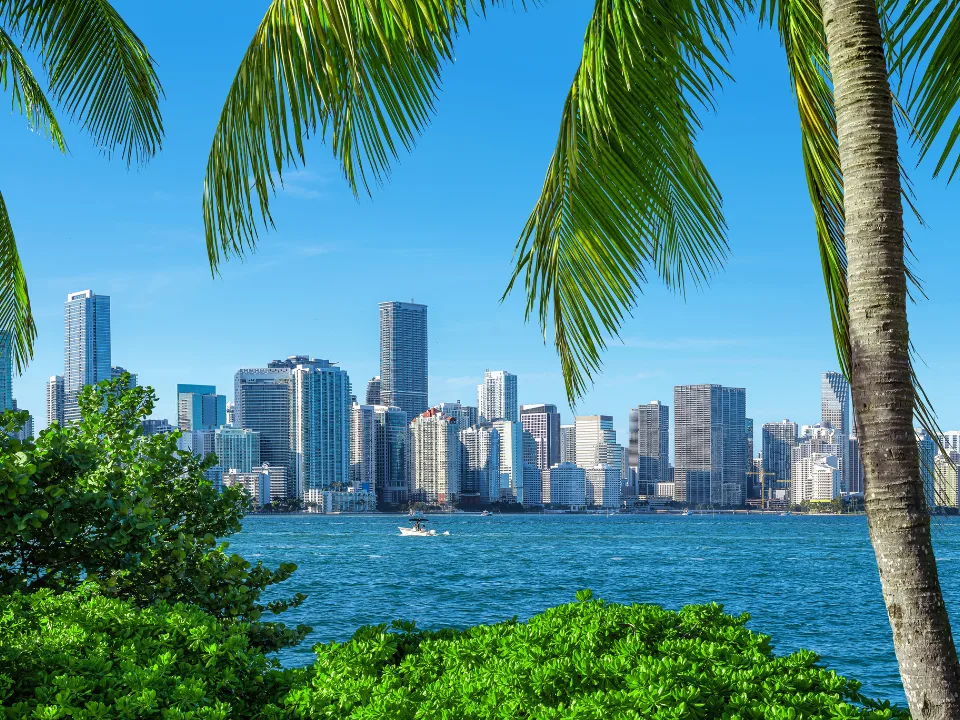
Florida CRE: Miami's Growth Meets Investor Caution Amid Shifting Market Tides
Miami and the broader South Florida region have long stood as a beacon in the U.S. commercial real estate (CRE) landscape, attracting significant domestic and international investment across multiple sectors. For years, the narrative has been one of relentless growth, fueled by an influx of new residents, corporate relocations, and ambitious development projects. However, the latest commercial real estate news suggests a subtle yet significant shift in sentiment. While financial data largely remains positive, a chorus of analysts is beginning to sound a note of caution regarding the long-term outlook for the region. This evolving perspective presents a fascinating dichotomy for investors and developers alike, blending undeniable growth potential with emerging headwinds.
Miami's Unstoppable Ascent: A Post-Pandemic Boom
The period following the initial challenges of 2020 through early-to-mid 2022 saw Miami emerge not just resilient, but revitalized. The city solidified its status as a premier destination, benefiting immensely from a confluence of factors: a business-friendly environment, favorable tax policies, robust infrastructure, and a vibrant cultural scene. This allure has drawn an unprecedented wave of new residents and, crucially, a growing number of corporate entities relocating or expanding their operations within the Magic City.
This demographic and corporate migration has ignited a boom across virtually every CRE sector. New, major developments have reshaped the skyline, from towering luxury residential high-rises to sprawling mixed-use complexes integrating office, retail, and hospitality spaces. The industrial market has flourished, driven by increased demand for logistics and distribution facilities serving a burgeoning population. Simultaneously, property refinances have been sealed at a rapid pace, reflecting both developer confidence and the availability of capital. The strong performance of the South Florida market has been a consistent highlight in commercial real estate news, showcasing impressive occupancy rates and competitive rental growth that, in many submarkets, has defied broader national trends.
Both domestic and international investors, captivated by Miami's dynamism and perceived stability, have poured capital into the market. This robust investment activity has underpinned the positive financial data observed to date, validating Miami's reputation as a secure and high-growth investment haven. The city's transformation into a global hub for finance, technology, and culture seems, on the surface, an unstoppable force, making it a constant subject of interest for anyone following commercial real estate: examining shifting analyst tones & investment trends.
The Shifting Tides: Why Analysts are Pumping the Brakes
Despite the undeniable signs of growth and ongoing positive financial indicators, the shift in analyst tone from bullish optimism to measured caution is a critical development for the Florida CRE market. This isn't necessarily a prediction of an imminent downturn, but rather an acknowledgment of increasing risks and potential vulnerabilities that could impact long-term sustainability. Several factors likely contribute to this evolving perspective:
- Interest Rate Hikes: Aggressive rate increases by the Federal Reserve have significantly elevated borrowing costs. This impacts everything from development financing to property acquisitions and refinances, potentially eroding investor returns and slowing transaction volumes. Higher rates also put downward pressure on property valuations.
- Inflationary Pressures: While easing in some areas, the cost of construction materials, labor, and operational expenses remains elevated. This can squeeze developer margins and increase carrying costs for property owners, making new projects less feasible and existing assets more expensive to maintain.
- Potential for Oversupply: Miami's rapid development, while a sign of growth, also raises concerns about potential oversupply in certain sub-markets or sectors. While current occupancy rates remain strong, a continued influx of new inventory without corresponding demand growth could lead to increased vacancy and softened rental growth over time.
- Global Economic Headwinds: The broader global economic outlook remains uncertain, with geopolitical tensions, energy price volatility, and slower growth in major economies. Miami, with its significant reliance on international investment and tourism, is not immune to these external shocks.
- Valuation Concerns: After years of rapid appreciation, some analysts are questioning the sustainability of current property valuations. There's a concern that prices might have outpaced underlying fundamentals in some instances, making the market vulnerable to corrections if demand falters or financing becomes prohibitively expensive.
This cautious stance highlights the nuanced complexity of modern CRE markets, where localized strength can coexist with broader economic uncertainties. It underscores the importance of a deeper dive beyond surface-level growth metrics for any serious investor or developer.
Navigating the Landscape: Opportunities Amidst Uncertainty
While caution is warranted, it's crucial to understand that the Miami CRE market isn't a monolith. Opportunities persist, particularly for discerning investors who focus on specific sectors and sub-markets. The "cooling rental market" observed nationally, for example, is not universally applicable. As highlighted in recent rental market resilience: which cities defy the cooling trend?, strong occupancy and limited construction continue to drive competition in select regions.
In Miami, certain sectors still exhibit remarkable resilience:
- Industrial: E-commerce growth, population expansion, and the need for efficient supply chain logistics continue to fuel demand for modern industrial and last-mile distribution facilities.
- Specialized Office: While the broader office market faces challenges, highly amenitized, flexible, and strategically located office spaces continue to attract tenants, particularly those in tech and finance.
- Luxury Multifamily & Residential: The continuous influx of high-net-worth individuals and corporate executives maintains robust demand for premium living spaces, though pricing sensitivity may increase.
- Experiential Retail: Retail centers that offer unique experiences, dining, and entertainment continue to outperform traditional retail, adapting to evolving consumer preferences.
Investors in today's environment, whether in Miami or elsewhere, must adopt a strategy characterized by purposeful investment, mirroring trends seen in other markets. For example, while the Detroit office market didn't see a flood of investors in Q1, those who *did* show up came with a clear purpose and strategy. This selective approach, focused on assets with strong fundamentals, clear value-add potential, or long-term growth drivers, is paramount.
Practical Tips for Investors and Developers:
- Thorough Due Diligence: Go beyond surface-level growth. Analyze sub-market specific supply and demand dynamics, tenant quality, lease structures, and potential exit strategies.
- Focus on Fundamentals: Prioritize properties with strong underlying economics, even if they require some repositioning. Consider assets that offer defensive qualities against economic downturns.
- Leverage Wisely: With higher interest rates, overleveraging can quickly erode returns. Conservative financing strategies are more prudent in the current climate.
- Diversify Portfolios: Spread risk across different property types, locations, and tenant bases.
- Stay Informed: Regularly consult commercial real estate news and market reports to adapt strategies to evolving conditions. Understanding macroeconomic trends is as crucial as local market intelligence.
- Identify Niche Opportunities: Explore emerging sectors like data centers, life sciences, or specialized cold storage, which might offer uncorrelated returns and strong demand drivers.
Conclusion: A Maturing Market Demands Strategic Vision
The latest commercial real estate news out of Florida paints a picture of a dynamic market where Miami continues to be a magnet for growth, but where the exuberance of past years is being tempered by a more cautious analytical lens. This shift is not a signal to retreat, but rather an invitation for more strategic, informed, and disciplined investment. The city's foundational strengths remain robust, but the escalating costs of capital, inflationary pressures, and the potential for increased supply necessitate a meticulous approach. For investors and developers willing to conduct deep analysis, embrace innovation, and prioritize long-term value, Miami's CRE market still presents significant opportunities to thrive, even as it navigates a more complex economic landscape.